
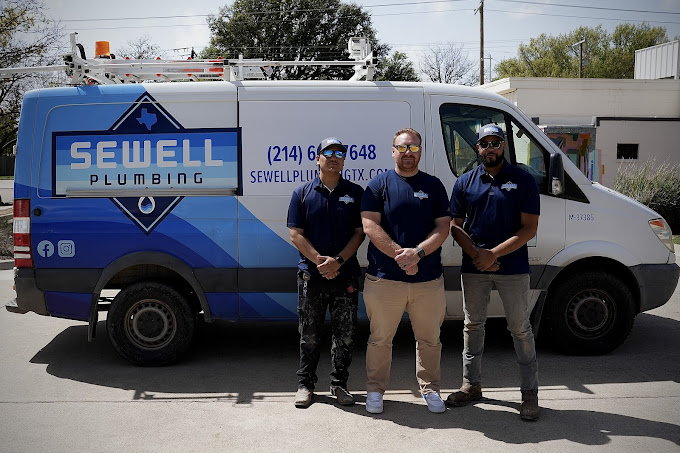
Plumber Guide to Restoring Water Pressure Naturally
The first time your shower turns into a weak trickle, it doesn’t just feel inconvenient—it signals that something in your McKinney, TX plumbing system is no longer operating the way it should. For many local homeowners and small businesses, the problem shows up suddenly: laundry takes longer, dishwashers struggle to clean, and faucets sound like they’re “gasping” instead of flowing.
In the U.S., the Environmental Protection Agency estimates that household leaks can waste trillions of gallons of water each year, and even small plumbing issues can drive up water usage and costs. And in North Texas, where seasonal demand can spike, water pressure complaints often line up with higher outdoor use and older supply lines.
This guide explains how to restore water pressure naturally—meaning without immediately reaching for harsh chemicals or risky DIY fixes. You’ll learn what to check first, which causes are common in McKinney homes, and when it’s time to call a professional plumber for fast, lasting results.
Key Insight: Start with safe, low-cost checks like aerators, shutoff valves, and sediment control. If the pressure issue persists, it usually points to a deeper plumbing problem that “natural” methods can’t solve.
Check the Most Common “Natural” Fixes: Aerators, Shutoffs, and Pressure Regulators
Before you assume you have a major plumbing failure, start with the parts that most often cause pressure problems. In older McKinney neighborhoods, homeowners frequently discover mineral buildup or partially closed valves after noticing a change in flow at one fixture—then realizing it’s happening everywhere.
Begin at the faucet:
- Remove the aerator from the affected tap(s) and inspect for scale.
- Rinse it under warm water and gently clear debris with a soft brush.
- Reinstall and test pressure.
Then check the valves:
- Look for partially closed shutoff valves on supply lines under sinks or near toilets.
- Ensure the valve handle fully opens—sometimes a past repair or renovation left it turned halfway.
Finally, confirm whether you have a pressure regulator. Many homes include a device that protects pipes from excessive pressure. If it sticks, you might see low flow even when there’s no visible leak.
Here’s a real McKinney scenario Sewell Plumbing Services sees: a homeowner reported weak pressure in the kitchen sink only. After removing the aerator, we found heavy mineral scale restricting flow. Once cleared, pressure returned immediately—no chemicals needed, and no unnecessary parts replacement.
If your home has an ongoing pressure issue, it can also connect to water filtering and softening systems. If you suspect sediment is building up, ask about water filter & softener repair before you try to treat symptoms with DIY products.
Identify Whether It’s a Local or Whole-Home Problem (Then Act)
Once you’ve tried the basic fixture checks, you need to determine the scope. This step saves time and prevents wasted effort. A “natural” approach works best when you correctly identify whether the issue is localized (a single branch line) or system-wide (main supply, regulator, or a hidden restriction).
Do a quick diagnostic:
- Test pressure at the same time in multiple locations (kitchen, master bath, outdoor spigot).
- Flush a toilet and run a shower briefly while observing flow.
- Pay attention to sounds: rattling, hammering, or sputtering can indicate air, restrictions, or pressure instability.
Consider the most common pattern:
- Low pressure at hot water only: often tied to the water heater or hot water piping.
- Low pressure at cold water only: more likely supply line restriction, valve issues, or sediment.
- Low everywhere including outdoor spigots: points toward the main supply, a regulator problem, or a broader plumbing restriction.
If the issue is tied to hot water, you’ll get faster results by focusing on water heater repair and installation rather than chasing aerators. Sediment buildup in the tank can reduce effective flow, especially in Texas homes where hot water demand rises with seasonal routines.
CALLOUT: “Restoring water pressure naturally” doesn’t mean ignoring system clues. Use symptoms to narrow the cause—then choose the safest fix.
Natural vs. Risky DIY Approaches
| Approach | What it helps | What it can’t fix | Best use |
|---|---|---|---|
| Cleaning aerators & fixtures | Minor sediment restriction | Whole-house restrictions | When one or two faucets are affected |
| Checking shutoff valves | Flow restriction from human error | Hidden pipe issues | After renovations or long inactivity |
| Flushing small sections carefully | Light sediment in localized lines | Major scale or internal corrosion | When you can access the line safely |
| Chemical “descalers” in pipes | Sometimes removes light scale | Corrosion damage, clogs deeper in line | Avoid unless a pro recommends it |
| Forcing repairs without diagnostics | Temporary improvement | Recurring pressure loss | Not recommended |
In McKinney, where many homes include galvanized or older copper sections, sediment tends to accumulate over time. Natural checks reduce the guesswork—then a plumber can target the actual restriction.
Watch for Sediment, Clogs, and Scale—Without Over-Treating
Sediment and scale are the quiet culprits behind pressure changes. Even when you don’t see leaks, minerals can restrict water pathways inside aerators, showerheads, and sometimes within the plumbing itself. Over time, this reduces flow and creates pressure loss that feels “mysterious,” especially after a season of heavy irrigation.
Start small:
- Clean showerheads and aerators.
- Check for visible sediment at fixture outlets.
- If you notice sputtering, let water run briefly and see if flow stabilizes.
If the problem persists, sediment may be accumulating further downstream. At that point, the “natural” path becomes maintenance-focused rather than chemical. A professional can evaluate whether a drain repair or installation is indirectly affecting water use (for example, if a clog creates pressure or flow imbalances), or whether the main issue is water heating or filtration.
A quick example from a local commercial setting: a McKinney office reported weak pressure during peak hours. The team cleaned aerators, but the problem returned. Once we inspected the water heating system, we found sediment accumulation affecting hot water flow. The fix wasn’t about “more cleaning”—it was addressing the cause through water heater repair and maintenance planning.
“Quote” callout: “Pressure problems rarely come from one thing—water flow is a chain of components. Fixing the weakest link usually restores performance.” — Sewell Plumbing Services Technician Team
If you also notice water quality concerns (taste, odor, or buildup), consider whether your filtration system is due for service. For many homes, proactive maintenance through water filter & softener repair helps reduce the sediment that leads to pressure loss.
When Low Pressure Points to Hot Water: Tank, Tankless, and Maintenance Clues
Not all water pressure issues are “pressure” problems. Sometimes the flow is fine, but the hot water system can’t deliver the volume you expect—especially during simultaneous use.
Here’s how to tell:
- If cold water pressure feels normal but hot water is weak, focus on the water heater.
- If you run out of hot water quickly or showers turn lukewarm fast, your heater may be struggling to keep up.
- If the temperature fluctuates, you may have a heating or control issue rather than a supply issue.
For tank water heaters, sediment buildup reduces heating efficiency and can limit effective flow. For tankless units, mineral scale can restrict internal passages, especially if water is hard. That doesn’t always show up as a total failure—it can look like “low pressure.”
If you suspect hot water performance is the issue, plan for professional assessment. Depending on your system, Sewell Plumbing Services can help with:
- Water heater repair and maintenance
- Tankless water heater repair and installation
- Water heater replacement when repairs won’t restore stable performance
Quick Comparison: Tank vs. Tankless (Pressure-Related Symptoms)
| System type | Common “pressure-like” symptom | Natural checks you can try | When to call a plumber |
|---|---|---|---|
| Tank water heater | Hot water flow drops first | Flush aerators, confirm hot-only issue | If sediment or temperature recovery is slow |
| Tankless water heater | Flow varies with demand | Check showerheads and strainers | If scaling is suspected or error codes appear |
A common McKinney home story: a family noticed hot showers getting weaker after several weeks of high water use. Aerator cleaning helped a little, but the flow never stabilized. The root cause was internal buildup inside the heater affecting hot-water delivery. After repair and a maintenance plan, hot water pressure returned to normal.
Don’t Ignore Leaks—Even “Silent” Ones That Steal Pressure
A leak can be more than a water bill problem. Some leaks affect pressure by altering flow patterns, increasing demand, or causing pressure fluctuations—especially when they occur near the supply line or under slab areas. You may not always see water immediately, but you’ll feel it in how fixtures behave.
Signs of a hidden leak include:
- Pressure drops that come and go
- Damp spots, musty odors, or unexpected water usage
- Warm areas on floors near plumbing pathways
- Water meter movement when no one is using water
If you suspect a leak behind walls or beneath the foundation, don’t rely on “natural” methods alone. Early detection matters because water damage compounds quickly.
For slab concerns, homeowners in North Texas often ask about slab leak location repair. For other leak scenarios, a targeted approach to leak location repair helps confirm where the problem is before repairs begin.
CALLOUT: If pressure issues started after a remodeling project or if you’ve noticed moisture without a clear source, leak detection should be step one—not step five.
One case we’ve handled in the McKinney area: a homeowner complained of inconsistent pressure and occasional “thumping” sounds near plumbing walls. The visible signs were minimal, but leak detection pinpointed a problem line. Repair restored stable pressure and prevented further damage to the home’s structure.
If the leak is tied to broader underground issues, plumbers may also investigate related concerns with diagnostics designed to locate and assess hidden flow problems. For that, you may want water, sewer, and gas diagnostics as part of a comprehensive evaluation.
A Simple Maintenance Plan to Keep Pressure Healthy Year-Round
The best “natural” solution is prevention. Water pressure problems tend to repeat when sediment builds, fixtures clog, and systems degrade. The goal is to reduce buildup, keep valves and fixtures in good working order, and catch problems early—before your home starts losing comfort or efficiency.
Consider a seasonal routine:
- Every 3–6 months: clean aerators and showerheads.
- At least once a year: inspect visible shutoff valves for full operation.
- If you have hard water: keep up with water filter & softener repair or maintenance.
- If you’re noticing hot water issues: schedule water heater maintenance before demand spikes.
Also, pay attention to fixture performance. A toilet that runs constantly can affect overall system behavior and waste water—sometimes contributing to pressure instability. If you’re seeing changes in toilet function, it’s worth addressing toilet repair promptly.
And if your home has a disposal, kitchen sink performance can influence how you perceive water flow. For kitchen issues, professional help with plumbing fixture repair can prevent small problems from turning into larger ones.
A short “pressure health” checklist:
- Confirm fixtures are clean and strainers aren’t clogged
- Ensure valves are fully open
- Test hot vs. cold performance separately
- Watch for sudden changes or recurring symptoms
- Schedule maintenance for heaters and filtration systems
What This Means for Businesses in McKinney, TX
For businesses in McKinney, water pressure isn’t just a comfort issue—it affects operations, customer experience, and sanitation. Restaurant kitchens, gyms, salons, and property management companies rely on consistent flow for everything from dishwashing and handwashing to cleaning and laundry. When pressure falls, staff often compensates by running water longer, which increases costs and can create inconsistent results.
In commercial settings, pressure complaints also create downstream problems:
- Appliances may not clean properly
- Hot water recovery can lag during peak use
- Tenants or customers may report discomfort or service issues
- Maintenance teams get pulled into repeated “quick fixes” that don’t address root causes
The natural approach still matters for businesses, but it’s most effective when paired with accurate diagnosis. Cleaning aerators and checking valves can restore performance in minutes—but if the source is sediment in a heater, a partial restriction, or a hidden leak, the problem will resurface. That’s why local, fast plumbing repair matters: it reduces downtime and helps you plan repairs before they disrupt schedules.
McKinney’s mix of newer builds and older plumbing systems means causes vary. That’s also why homeowners and managers benefit from a stepwise troubleshooting approach—one that protects the system while targeting the actual bottleneck.
Frequently Asked Questions
Q: If I clean my faucet aerator and pressure returns, why does it come back a few weeks later?
A: When pressure improves briefly after aerator cleaning, it usually means mineral scale or sediment is continuously feeding the fixture. In McKinney, hard water and water heater or filtration issues can contribute to ongoing buildup. Even if the aerator is the first place you notice the problem, the root cause may be upstream—like a heater that’s accumulating sediment, a softener that isn’t functioning correctly, or a line carrying debris. If this pattern repeats, consider professional evaluation of your filtration and water heating systems, such as water filter & softener repair and water heater repair.
Q: What’s the safest way to “unclog” a toilet if I suspect the pressure issue is related?
A: If your toilet seems sluggish or you suspect a clog, avoid aggressive chemicals that can damage seals or worsen blockages. Start with basic steps: check the bowl level, use a plunger correctly (full seal and steady pressure), and confirm the flapper isn’t stuck or leaking. If the toilet is part of a broader drainage problem, it may require drain repair and installation services rather than repeated toilet “treatments.” For persistent toilet performance issues, toilet repair can address internal components that affect water flow and flushing efficiency.
Q: Could a water leak really cause low water pressure, even if I don’t see water?
A: Yes. Some leaks are hidden behind walls, under slabs, or within underground lines. As water escapes, it can change how pressure behaves at fixtures—sometimes creating intermittent drops that are hard to catch visually. Hidden leaks also raise your water usage even when everyone believes the home isn’t using much water. If you suspect a leak in McKinney, the best next step is targeted leak detection rather than guessing. Sewell Plumbing Services offers leak location repair and, when appropriate, slab leak location repair to confirm the source before repairs.
Q: My hot water pressure is weak—does that mean I need a plumber for the water heater?
A: Weak hot water pressure often points to the water heater or hot water distribution system. If you have a tank heater, sediment buildup can reduce heating efficiency and limit effective flow. If you have a tankless unit, mineral scale can restrict internal pathways. While you can clean aerators and showerheads, those steps rarely solve heater-related flow limits. A professional assessment ensures the right repair—like flushing, component replacement, or even water heater replacement when the unit is beyond economical repair.
Q: Are “natural” descaling methods safe, or should I avoid them?
A: Many natural descaling ideas (like vinegar for certain fixtures) can be safe for removable parts such as aerators and showerheads. However, pouring descalers into plumbing lines is a different matter. It can damage components, loosen debris that then clogs deeper lines, or fail to reach the true source of scale buildup. The safest “natural” route is to clean what you can access and focus on maintenance—like keeping filtration systems functioning and scheduling heater care. For anything beyond fixtures, it’s best to have a plumber evaluate the system before treatments are introduced.
Q: How do I know whether I need emergency plumbing services for a pressure problem?
A: Consider emergency service if you notice signs of active leakage, severe water hammer, rapidly worsening pressure, or water damage. If your water meter shows continuous movement when no fixtures are in use, that’s also a strong warning. While not every pressure change requires immediate attention, hidden leaks and severe restrictions can escalate quickly. If you’re unsure, search for plumbing services near me and ask for an assessment—especially if you suspect water, sewer, and gas diagnostics may be needed.
Q: What routine maintenance helps prevent future pressure loss in McKinney homes?
A: Start with fixture care: clean aerators and showerheads regularly, and ensure shutoff valves fully open. Next, address water quality. If your home has hard water, keep up with filtration and softener maintenance through water filter & softener repair. Finally, schedule water heater maintenance so sediment doesn’t build up unnoticed. When you treat the system—not just the symptoms—you reduce recurring pressure drops and the need for repeated repairs.
Ready to Get Started?
If your water pressure has slipped in McKinney, TX, don’t wait until the problem forces a bigger repair or disrupts daily routines. The fastest path usually starts with safe checks you can do today—clean aerators, verify shutoff valves, and compare hot vs. cold performance. If the issue persists, you’ll save time and money by getting a proper diagnosis instead of repeatedly trying “natural” fixes that only treat surface symptoms.
Next steps that make a real difference:
- Test pressure at multiple fixtures and note whether hot or cold is affected
- Clean accessible aerators/showerheads and observe whether pressure stabilizes
- If you suspect a leak, schedule leak detection
- If hot water is weak, have your heater evaluated for sediment or scale
Sewell Plumbing Services brings local experience and practical solutions—so you can restore pressure with confidence, not guesswork. If you’re searching for a plumber near me, reaching out early helps prevent escalation during peak seasonal demand.
About Sewell Plumbing Services
Sewell Plumbing Services is a McKinney, TX plumbing company focused on reliable repair, honest recommendations, and fast troubleshooting. The team works across residential and commercial plumbing needs—from water heater repair and water heater replacement to leak detection, drain cleaning, and pipe repair. With a strong local presence and a commitment to quality workmanship, Sewell Plumbing Services helps homeowners and businesses keep water flowing the way it should. Learn more at SewellPlumbingTX.com.