
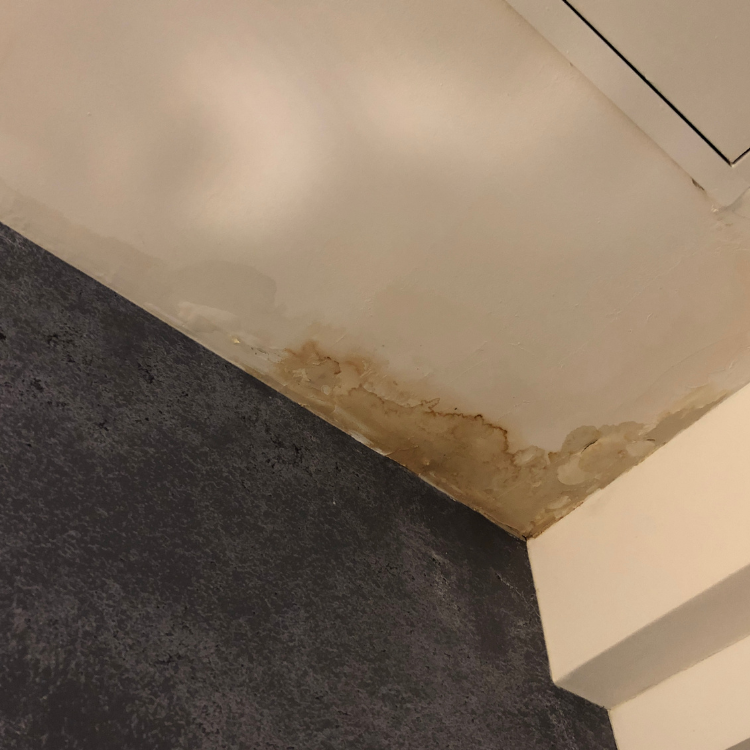
Slab Leak Repair: Protect Floors with Smart Detection
It usually starts as something small: a faint damp smell near a bathroom, a warm patch on the floor, or water bills that creep up without a clear reason. In McKinney, TX—where homes often sit on concrete slabs and summer heat runs long—those early signs can turn into expensive floor damage fast. In fact, industry reports commonly note that leaks can go unnoticed for weeks or months, steadily wasting water and increasing repair costs as moisture spreads through flooring and subfloor materials.
So what should homeowners and property managers watch for, and how do you find a slab leak without guesswork? This guide explains how modern leak detection works, what “smart detection” really means, and what to expect during a professional investigation and repair. You’ll learn practical warning signs, how technicians pinpoint the leak location, and why the right approach helps protect your floors, your indoor air quality, and your budget.
Key Insight: Slab leaks often damage floors long before you see a clear puddle. Smart detection helps locate the source quickly so repairs can be targeted and cost-effective.
Why Slab Leaks Are So Hard to Spot (and So Costly)
Slab leaks hide beneath concrete, which means the most visible evidence may show up only after damage progresses. Common causes include aging supply lines, shifting soil around the foundation, corrosion, or installation-related issues. When a pipe leaks under a slab, water can migrate outward, weakening the subfloor and contributing to mold-friendly conditions—especially during McKinney’s humid stretches.
A typical McKinney scenario we see: a homeowner notices the AC feels less efficient and the water bill rises. They assume it’s irrigation or normal seasonal use. Then they find a section of tile that feels warmer than the rest, or grout that looks slightly darker. By the time a noticeable floor issue appears, the leak may have been active long enough to soften materials and compromise finishes.
“The longer a slab leak runs, the more it behaves like a slow ‘construction project’—only the wrong kind.” — Licensed plumbing professional, Dallas–Fort Worth area
If you’re also dealing with other hidden plumbing risks, it can help to review broader diagnostic options like Water & Sewer Gas Diagnostics. That holistic approach can catch secondary concerns that sometimes accompany water loss events.
Smart Detection Methods That Pinpoint the Leak Without Guessing
Modern slab leak detection focuses on listening, measuring, and mapping—rather than opening the slab immediately. A quality investigation typically begins with confirming that the leak is likely on the plumbing side (not irrigation, ice maker lines, or a toilet fill valve). Technicians then evaluate water pressure, run tests, and use specialized tools to identify the most probable location.
A common “smart detection” workflow includes:
- Acoustic/ultrasonic listening to detect water flow sounds inside walls or under slabs
- Thermal imaging (where appropriate) to spot temperature differences caused by leaking water
- Pressure testing and isolation to determine which section of plumbing is affected
- Moisture mapping to identify where water has traveled underground
In one McKinney case, a homeowner complained about intermittent wetness near a kitchen tile. The initial assumption was a drainage issue. Through targeted leak detection, the team identified a supply line leak under the slab and confirmed it with pressure and acoustic readings. Instead of tearing up a broad area, the repair targeted the exact zone—saving the homeowner from unnecessary floor removal.
To understand what happens before and after the investigation, many homeowners also benefit from reviewing Leak Location & Repair. It breaks down how detection and repair strategies connect, especially when slab work affects flooring and access.
CALLOUT: A detection-first approach often reduces the number of “trial-and-error” openings—meaning less disruption and better protection for your floors.
Repair Options: What “Targeted Slab Leak Repair” Can Look Like
Once the leak is located, the next step is choosing the repair method that balances effectiveness, floor protection, and access. Not every slab leak requires the same approach. The right plan depends on pipe material, leak depth, proximity to fixtures, and how much damage has already occurred.
Common repair paths include:
- Targeted pipe access and repair (cutting only the necessary section of slab)
- Pipe replacement in the affected run
- Repiping services when multiple failures suggest broader pipe deterioration
- Cautionary mitigation for moisture damage (drying and remediation steps as needed)
For properties where leaks repeat or where pipes show signs of widespread aging, it may be more economical long-term to consider Slab Leak Location Repair that includes a clear plan for access, replacement, and restoration priorities.
Here’s a simplified comparison of typical approaches:
| Approach | Best When | Floor Impact | Typical Outcome |
|---|---|---|---|
| Detection-first targeted access | Leak location is identifiable | Minimal area opened | Efficient repair, faster restoration |
| Broad exploratory access | Detection tools aren’t used or symptoms are unclear | Larger section opened | Higher disruption, more cost risk |
| Repiping strategy | Multiple leaks or corrosion across runs | Varies by access points | Fewer future failures, long-term stability |
In McKinney, where many neighborhoods have established housing stock and active remodeling culture, homeowners often weigh immediate disruption against long-term prevention. A careful inspection helps you make that decision with confidence instead of fear.
Preventing Secondary Damage: Floors, Moisture, and Indoor Comfort
Slab leaks don’t just waste water—they can change the environment under your floors. Even a “small” leak can saturate the subfloor area over time, affecting flooring stability and indoor comfort. If moisture persists, it can contribute to musty odors and increase the risk of mold growth in hidden spaces.
What makes this tricky is that slab leaks can be deceptive. You may not see standing water, but you could still have ongoing moisture migration. That’s why professional teams often consider more than the pipe itself. They evaluate:
- Moisture spread indicators (temperature, humidity, and affected zone mapping)
- Fixture performance changes (pressure drops, cycling noises, or inconsistent flow)
- Floor conditions that may not be obvious at first glance
One McKinney homeowner noticed a persistent “cool” feeling near baseboards and a slight odor after summer rainstorms. The water bill didn’t spike dramatically, but detection revealed a slow leak. Repair stopped the moisture source, and the homeowner later reported that the odor and comfort issues resolved as the area dried.
If your home also has other water-related systems, it’s worth coordinating diagnostics. For example, an aging water heater can contribute to temperature instability that sometimes overlaps with leak complaints. You can explore options like Water Heater Repair & Installation to ensure your water system is functioning normally while you address slab issues.
How Slab Leak Detection Fits Into a Full Plumbing Strategy
Slab leaks rarely happen in isolation. In many homes, plumbing problems show up as a cluster—especially as pipe systems age. That’s why it helps to treat slab leak repair as part of a broader, well-managed plumbing strategy rather than a one-time fix.
A smart plumbing plan typically includes:
- Confirming the leak type and source (supply vs. drain vs. adjacent plumbing)
- Assessing connected components (shutoff valves, fixture supply lines, and nearby connections)
- Reviewing water pressure patterns that could accelerate wear
- Considering preventative upgrades if the home has older pipe materials
For example, if you find a slab leak near a bathroom line, technicians may also inspect the surrounding distribution network to rule out additional weak points. In some cases, homeowners discover that a slow leak was masking another issue—like a failing connection or a worn valve.
If you’re also experiencing drainage slowdowns, don’t assume it’s separate. Drain problems can create similar symptoms (odor, damp spots near certain areas, or unusual floor moisture). For that reason, teams may recommend complementary services like Drain Repair & Installation or targeted drain cleaning when appropriate.
And if your property includes gas water heating, it’s wise to ensure safe operation while you address water concerns. If you need help evaluating multiple systems, ask about Water & Sewer Gas Diagnostics so the investigation covers the full picture—especially for homes with older infrastructure.
What to Expect After Detection: Repairs, Timelines, and Results
A major source of stress for homeowners is uncertainty—“How long will it take? Will my floors be ruined? Will we be guessing?” A professional slab leak repair process reduces that uncertainty by setting expectations around investigation, access, repair, and restoration.
A typical repair timeline depends on:
- How quickly the leak is confirmed
- Whether the repair requires sectioned access or a broader replacement
- Subfloor and flooring conditions (how much moisture damage exists)
- Drying/remediation needs after the leak stops
For many McKinney homes, once the leak location is confirmed, the repair can proceed efficiently with targeted access. The goal is to stop water flow quickly, then manage drying so you can restore flooring without rushing.
Here’s what “good results” usually look like:
- Water usage stabilizes and bills return closer to expected ranges
- Floor conditions improve as moisture decreases
- No recurring damp spots appear near the repaired section
- Repairs blend into the home’s layout with minimized removal
CALLOUT: If you’re facing repeated moisture after a repair attempt, it may indicate incomplete detection or another leak nearby. In that situation, a second diagnostic pass is often the fastest route to the real fix.
What This Means for Businesses in McKinney, TX
Slab leaks don’t just affect homeowners—they can disrupt businesses too. In McKinney, many commercial properties and multi-tenant spaces rely on consistent accessibility: customers need restrooms open, floors must stay safe, and downtime can directly impact revenue. A hidden leak under a slab can lead to:
- Slip and safety hazards if moisture appears unexpectedly
- Customer-facing downtime, especially if restrooms or office areas are affected
- Higher utility costs that go unnoticed until bills arrive
- Potential indoor air quality concerns from prolonged moisture exposure
For property managers, the biggest challenge is cost control. Repairs that require broad demolition can quickly escalate from a plumbing issue into a multi-trade project. That’s why smart leak detection matters: it helps limit the area opened, reduces restoration scope, and allows faster return to normal operations.
McKinney’s hot summers also intensify the problem. Leak detection and repair delays can allow moisture to spread farther before it’s addressed, increasing the likelihood of floor replacement or remediation. If you manage commercial properties near central McKinney or along busy corridors, acting quickly is often the difference between a localized repair and a larger disruption.
For residential homeowners, the stakes are just as real. Floors, baseboards, and tile installations represent significant investments. With targeted Slab Leak Repair, you protect that investment while stopping waste at the source.
Frequently Asked Questions
Q: What are the first signs of a slab leak in a McKinney home?
A: Many homeowners first notice subtle changes rather than obvious pooling. Common early signs include unexplained increases in water usage, warm spots on tile or laminate, damp odors, or floor areas that feel cooler or softer than surrounding sections. Some people also see recurring condensation near baseboards or experience periodic water pressure changes. Because slab leaks can be slow, the issue may not surface until moisture affects flooring and subfloor materials. If your water bill rises without a clear explanation, consider professional Leak Detection before you assume it’s a fixture problem or irrigation system.
Q: Can I find a slab leak myself, or should I call a plumber?
A: DIY methods often delay the fix and can increase the repair scope. While you can check for obvious issues—like running toilets, dripping faucets, or visible irrigation leaks—slab leaks typically require specialized tools and controlled testing to pinpoint location. Opening sections of concrete without confirmed readings often leads to unnecessary demolition and higher restoration costs. A professional investigation uses pressure testing, acoustic or thermal techniques, and targeted mapping to identify the most likely leak area. That’s the safest way to protect your floors and avoid guesswork-driven excavation.
Q: How do plumbers determine the leak location under a slab?
A: Technicians generally start by confirming the leak is under the slab and isolating the affected plumbing segment. They may use pressure testing to narrow down the line, then use acoustic/ultrasonic listening to detect active leak flow through pipe material. Thermal imaging can help identify temperature anomalies caused by leaking water traveling under concrete. Moisture mapping may also support decisions about access points. Once the suspected location is confirmed, the repair can be targeted to minimize slab removal. This is why choosing experienced Slab Leak Repair teams matters.
Q: Will slab leak repair damage my floors?
A: Any slab leak repair requires some level of access, but the goal is to limit removal to the smallest necessary area. When detection is accurate, plumbers can open only the targeted zone rather than cutting broadly across the slab. The amount of floor impact also depends on how much moisture has already affected the subfloor and underlayment. If you catch the leak early, you often prevent extensive damage and reduce restoration requirements. If you already see floor softness, discoloration, or persistent dampness, addressing the leak quickly helps limit further deterioration.
Q: Is there a way to prevent slab leaks from coming back?
A: While you can’t eliminate every risk, you can reduce the chance of repeat failures. Prevention often involves evaluating pipe condition, checking water pressure trends, and replacing aging pipe sections when deterioration is suspected. In homes with older plumbing materials, repiping might be the most cost-effective long-term strategy if multiple failures appear. After repair, monitoring water usage helps confirm the leak is fully resolved. For homes with other system concerns, maintaining water heaters and ensuring proper water pressure can also reduce stress on supply lines. If you’re planning broader updates, ask about coordinated Water Heater Repair or system checks.
Q: What if my leak is slow—can it still cause serious damage?
A: Yes. Slow leaks can still saturate areas under the slab over time, especially during Texas summers when temperature swings can affect moisture movement. Even if you don’t see dramatic pooling, moisture can migrate and compromise flooring materials, create odors, and increase the risk of microbial growth in hidden spaces. A slow leak may also be harder to detect because water usage changes can blend into normal household variability. Professional leak detection helps confirm whether a “small” issue is actually active and causing hidden damage.
Q: Do you handle emergencies, like sudden water loss or major slab leaks?
A: Many slab leak situations become urgent once they affect restrooms, kitchens, or occupied areas. If you’re facing sudden water loss, visible dampness, or rapid utility increases, contacting an Emergency Plumber Near Me is the right move. Rapid response helps reduce the chance of secondary damage and helps limit the time your floors and subfloor sit in moisture. If you need comprehensive evaluation, ask about Water & Sewer Gas Diagnostics so multiple potential causes are considered quickly and safely.
Ready to Get Started?
If you suspect a slab leak in McKinney, TX, acting early is the best way to protect your floors and control repair costs. Waiting often turns a targeted repair into a larger demolition and restoration project—especially when moisture has time to spread. A smart detection approach gives you clarity fast: where the leak is coming from, how extensive the damage may be, and what the most efficient repair path looks like.
Your next steps are simple:
- Schedule a diagnostic visit so technicians can confirm the source of water loss
- Review repair options based on the detected leak location and pipe condition
- Plan for restoration with a clear scope, not guesswork
If you’re ready for a professional investigation, book your appointment through
. With local expertise and a commitment to doing it right the first time, Sewell Plumbing Services helps McKinney homeowners and businesses get back to normal—without unnecessary floor damage.
About Sewell Plumbing Services
Sewell Plumbing Services serves homeowners and businesses across McKinney, TX with a focus on accurate diagnosis, dependable Plumbing Repair, and repairs that protect your property. Our team brings hands-on experience with leak detection, pipe repair, and related plumbing services—backed by best practices and a safety-first mindset. For more details about our local approach and service coverage, visit Sewell Plumbing Services.