
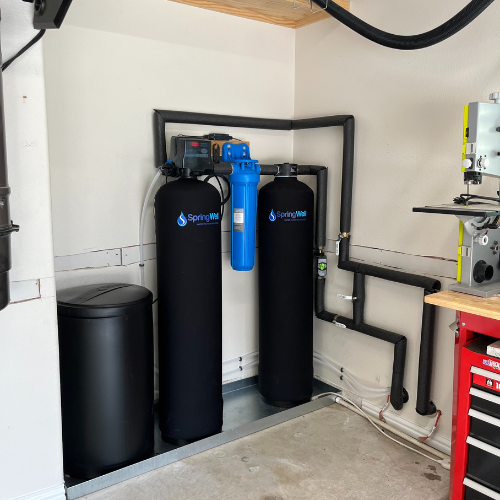
Water Heater Repair When Hot Water Runs Out
McKinney homeowners don’t usually notice their water heater until it’s already failing—like the night you rinse shampoo and the hot water suddenly turns lukewarm, then disappears. If you’ve ever stood in a half-finished shower thinking, “Is it the heater or something else?” you’re not alone. In the U.S., water heater issues rank among the most common home plumbing emergencies, and most failures don’t give much warning. When hot water runs out, it can disrupt daily routines fast—and for businesses, it can mean delayed hygiene, interrupted cleaning schedules, and unhappy customers.
For property managers and homeowners in McKinney, TX, this matters even more because weather swings can strain aging equipment. Cold snaps increase demand, while sediment buildup quietly reduces efficiency over time. In this guide, you’ll learn the most common causes of “no hot water,” how to tell the difference between repair and replacement, and what to do next—before a small issue becomes a costly one.
Key Insight: Hot water running out is often fixable, but the right diagnosis depends on whether the issue is fuel supply, thermostat control, heating element/burner performance, or tank sediment.
Common Reasons Hot Water Runs Out (And How McKinney Homes Experience Them)
When hot water runs out unexpectedly, it’s usually one of a few failure patterns. Residents in McKinney often notice the problem after a period of heavy use—back-to-back showers, laundry, or a dishwasher-heavy evening. That demand can expose weaknesses like aging thermostats, failing heating components, or sediment that insulates the tank instead of heating water.
Here are the most frequent causes:
- Thermostat issues (temperature set too low, failed sensor, or control malfunction): The heater may run but never reach the right temperature.
- Sediment buildup (especially in older tanks): Sediment forms at the bottom, reducing heat transfer. Eventually, the tank can’t recover fast enough.
- Heating element or burner problems:
- For an Electric Water Heater, a failed element may heat water inconsistently.
- For a Gas Water Heater, ignition or burner issues can prevent proper heating.
- Water pressure or flow restrictions: A clogged inlet/outlet or valve problem can mimic heater failure.
- A leak or internal failure: Less common, but serious—pressure drops or constant cycling can point to internal problems.
Real example (McKinney): One family in North McKinney called after hot water lasted only 10–15 minutes. On inspection, the tank had significant sediment at the bottom, and the thermostat readings didn’t match actual water temperature. After a repair focused on proper heating performance and a maintenance plan, hot water recovery improved immediately.
Knowing which category you’re dealing with helps you decide whether to schedule water heater repair quickly—or whether a water heater replacement is the smarter long-term move.
Electric vs. Gas: The Fast Clues That Point to the Right Repair
A lot of homeowners start troubleshooting by guessing. The better approach is to use a few observable signs—then call in the right expertise. In McKinney, both electric and gas systems are common, and the failure modes differ.
If you have an electric water heater
Look for:
- Tripped breakers or blown fuses
- Water that’s warm but never reaches hot
- A heater that clicks but doesn’t heat consistently
- Hot water that improves after resetting power (temporary clue)
Electric systems often fail due to heating element wear, thermostat sensor drift, or wiring/connectors that heat unevenly.
If you have a gas water heater
Look for:
- No ignition or repeated ignition cycles
- Pilot/igniter issues (especially after a power outage or if the unit was recently serviced)
- Flame looks weak or uneven
- Hot water stops entirely, not just becomes less hot
Gas systems can also be affected by ventilation problems or gas supply changes. Those aren’t “DIY guess-and-check” repairs—proper venting and safe combustion matter.
Real example (McKinney): A small office near Eldorado Parkway reported that hot water vanished right after morning use. Their team assumed it was “just the tank.” Our inspection found the burner ignited, but combustion wasn’t stable—leading to poor recovery. The repair improved heater performance and prevented further cycling stress.
Here’s a simple comparison homeowners can use to understand why diagnosis matters:
| Issue Pattern | Electric Water Heater Likely Cause | Gas Water Heater Likely Cause |
|---|---|---|
| Hot water lukewarm, slow recovery | Worn heating elements, thermostat control | Burner performance, gas/combustion issue |
| Sudden stop during normal use | Failed control component, electrical issue | Ignition failure, pilot/venting problem |
| Heats for a short time then fails | Sediment insulating heating surface | Burner cycling, unstable flame/combustion |
“Quote-worthy” best practice from the field: “When a water heater fails, the cause is usually inside the system—not just the tank. Controls, heating components, and safety devices must be checked in sequence.” — Sewell Plumbing Services technician team
If you suspect a serious electrical or combustion safety issue, don’t delay. A correct diagnosis reduces downtime and helps avoid repeat failures.
When Sediment Is the Culprit: Recovery Problems That Worsen Over Time
Sediment buildup doesn’t happen overnight. It’s a slow process that can go unnoticed until the heater can’t keep up. In North Texas, water quality and temperature changes can contribute to mineral accumulation. Over time, sediment forms a layer at the bottom of the tank and prevents efficient heat transfer.
What homeowners notice first:
- Hot water lasts shorter than it used to
- Recovery takes longer (you wait, then it returns briefly)
- Temperature feels inconsistent—sometimes hotter, sometimes barely warm
- The unit cycles more frequently than normal
Real example (McKinney): In one household, the heater “worked” until a weekend of laundry and showers. After the busy period, hot water never fully recovered. Sediment had reduced the effective heating capacity, so the tank couldn’t reach temperature quickly. The repair addressed heating performance and included guidance for water heater maintenance to slow future buildup.
How plumbers determine whether it’s sediment
Professionals typically:
- Check the actual temperature at the tank and compare it to thermostat readings
- Inspect heating components (electric) or burner operation (gas)
- Evaluate signs of scaling and internal wear
- Review usage patterns and recovery rate
Sediment-related issues are often repairable—especially if caught early. But if the tank is old, heavily corroded, or already failing to maintain temperature, replacement can be more cost-effective than repeated repairs.
Troubleshooting Beyond the Tank: Leaks, Pressure Problems, and Hidden Water Loss
Sometimes the water heater isn’t the only suspect. A leak in the hot water line, a malfunctioning valve, or recurring pressure issues can make it seem like your heater has stopped working—when the real problem is water leaving the system faster than it can be reheated.
Common “hot water runs out” non-tank causes include:
- Hidden leaks in hot water piping
- Faulty mixing valves that misread temperature and reduce hot flow
- Partially closed shutoff valves
- Pressure regulator issues that affect flow rate
- Drain problems or cross-system confusion (less common, but possible)
If you see signs of water loss—wet drywall, damp flooring, or recurring moisture near plumbing pathways—it’s time to consider leak detection. For McKinney homeowners dealing with foundations or older builds, leaks can be especially tricky.
If your situation points to a structural leak, you may want to review resources on leak location repair or slab leak location repair.
Real example (McKinney): A renter reported that hot water disappeared quickly, and the tank sounded like it was “working.” The real issue was a hot water line leak behind a wall. The heater was heating, but hot water was escaping before it could reach fixtures. Once repaired, the heater performed normally again.
A quick checklist before you call
- Are both hot and cold water working normally, or is it only hot?
- Does the heater make unusual sounds or cycle more frequently?
- Do you notice dampness, corrosion, or water staining near plumbing runs?
- Has anyone recently changed usage patterns (more laundry, extra guests, new appliances)?
This is where professional plumbing repair and accurate diagnosis pay off. The goal isn’t just to restore hot water—it’s to restore it safely and reliably.
Repair vs. Replacement: Making the Smart Call for Your McKinney Property
Not every failure deserves a full replacement, and not every “repair” is a good long-term plan. The right decision depends on age, condition, and how often the unit has been repaired.
Professionals typically evaluate:
- Age of the water heater (older tanks often need more frequent service)
- Extent of internal corrosion
- Whether heating components repeatedly fail
- Recovery time and temperature stability
- Efficiency loss (higher energy costs and longer recovery cycles)
- Signs of safety wear (especially for gas units)
If you’re considering upgrades, many McKinney homeowners also explore tankless systems. If your goal is better hot water consistency and potentially improved efficiency, ask about tankless water heater repair and installation. Even when a tank can be repaired, a tankless option may fit households with variable demand.
Here’s a practical comparison homeowners often find helpful:
| Option | Best When | Potential Downsides | Typical Outcome |
|---|---|---|---|
| Water heater repair | Heater is reasonably new, components failing, or sediment manageable | Repeat issues if tank is near end-of-life | Hot water returns reliably |
| Water heater replacement | Tank is old/corroded, safety concerns, repeated failures | Higher upfront cost | Better efficiency and fewer interruptions |
| Tankless installation | You want consistent hot water and your home supports it | Different requirements (power/gas capacity, venting) | Continuous or on-demand hot water |
Local cost/benefit reality in McKinney: When a system fails during peak seasons—like colder months when families use hot water more—the downtime can cost more than the repair itself. For businesses, a broken heater can affect cleaning schedules, laundry needs, and customer comfort. That’s why planning ahead often beats emergency scrambling.
“Quote-worthy” field guidance: “A repair should restore performance—not just delay replacement. If the tank is failing on multiple fronts, replacement is the safer, more economical route.” — Sewell Plumbing Services
Getting Hot Water Back Fast: What an Emergency Plumber Would Do
When hot water runs out, you want action. But the best response blends urgency with correct diagnosis. A fast, professional approach usually includes:
- Confirming whether the issue is heating control vs. fuel/electrical vs. flow/leak
- Testing thermostat/controller behavior and verifying temperature readings
- Inspecting heating elements or burner operation
- Checking for sediment and assessing recovery capacity
- Evaluating safety devices to prevent unsafe operation
In McKinney, we often see customers searching for Emergency Plumber Near Me when they’re facing a same-day disruption. If the heater fails completely, that’s a valid emergency—especially when families rely on hot water for bathing, dishwashing, and sanitation.
If you also have drainage issues, it’s worth noting that plumbing systems often affect each other. For example, if a home’s drains are backing up, it can complicate troubleshooting and contribute to unpleasant odors. If you need it, professionals can also help with drain cleaning and drain unclogging as part of an overall plumbing reset.
When the right repair is selected, hot water usually returns quickly, and the system stabilizes. That means fewer cold-shower surprises and less wear on components that would otherwise keep cycling.
What This Means for Businesses in McKinney, TX
Hot water isn’t just a convenience—it’s part of operations. In McKinney, businesses ranging from small offices to service-based companies rely on hot water for cleaning, sanitation, laundry, and daily maintenance routines. When hot water runs out, it can interrupt staff schedules quickly. Even a short outage can lead to delayed cleaning, increased labor time, and customer dissatisfaction.
For commercial spaces, the risk isn’t only inconvenience. If a heater failure stems from a safety issue—like gas combustion instability—continued operation can become unsafe. That’s why “waiting it out” can cost more than a timely visit from a qualified team.
Another local factor: McKinney properties often include a mix of older plumbing setups and newer builds. Older systems may have higher sediment buildup or aging components, while newer facilities can still experience control issues after power fluctuations or heavy seasonal demand. In either case, a proper diagnosis helps prevent repeated downtime.
If you’re managing a property, create a simple plan now:
- Identify your heater type and approximate age
- Know where shutoffs are located
- Track how often you experience temperature/recovery problems
- Schedule routine water heater maintenance before peak demand seasons
Acting early keeps your facility functional—and your hot water dependable.
Frequently Asked Questions
Q: Why does my hot water run out after only a few showers?
A: The most common reason is that the heater can’t recover fast enough between uses. Sediment buildup is a frequent cause because it reduces the tank’s ability to transfer heat efficiently. Another possibility is a failing heating component (electric elements or gas burner performance) that heats water inconsistently. In some cases, a thermostat that’s misreading temperature can cause the heater to stop early. A qualified technician can check temperature performance, inspect key components, and verify whether the issue is capacity (recovery speed) or a control/ignition problem.
Q: How can I tell if I have an electric water heater issue versus a plumbing issue?
A: Start by noting whether hot water is completely gone or just not reaching the right temperature. If cold water runs normally but hot water fails, the tank or its controls are more likely. If hot water disappears quickly and you also notice dampness, staining, or moisture near plumbing pathways, consider a leak in the hot water line. Sometimes a valve or restricted flow can mimic heater failure. This is why diagnosis matters—plumbers can test heater performance and also inspect for leaks using best-practice methods.
Q: Should I repair or replace my water heater in McKinney?
A: Repair usually makes sense when the unit is relatively new, the problem is limited to a component (like a thermostat or heating element), and the tank isn’t heavily corroded. Replacement becomes more cost-effective when the system repeatedly fails, has significant internal wear, can’t maintain temperature, or shows safety-related concerns. If your heater is old and recovery has become unreliable, a water heater replacement may prevent future emergency calls and improve efficiency.
Q: Can a tankless water heater have the same “hot water runs out” problem?
A: Yes, tankless systems can experience performance issues that feel similar—especially if demand exceeds capacity, if the unit has scale buildup, or if controls detect a fault. In some cases, a problem with gas supply, power, or ventilation affects heating output. If you have a tankless unit and hot water stops, don’t assume it’s the plumbing. A technician can test the unit’s operation and, if needed, perform tankless water heater repair and installation services to restore consistent performance.
Q: What’s the fastest way to restore hot water safely?
A: The fastest safe approach is to have a professional inspect the heater rather than repeatedly resetting or turning it on and off. Technicians can confirm whether the issue is electrical, fuel/ignition related, thermostat-related, or sediment-related. They also check safety devices so the system operates within safe parameters. If you’re searching for Plumbing Services Near Me for urgency, choose a team that can diagnose quickly and provide clear repair options on-site.
Q: Could a leak cause my water heater to fail?
A: A leak usually doesn’t “cause” the heater to fail directly, but it can trigger symptoms that look like heater failure. For example, a hot water line leak can drain hot water before it reaches fixtures, making it seem like the tank stopped heating. Pressure changes from leaks can also affect performance. If you suspect a leak, consider professional leak detection. Depending on your home’s setup, this might include leak location repair or, in slab homes, slab leak location repair.
Q: Do I need to worry about clogs or drains when my hot water stops?
A: Usually, hot water issues are isolated to the water heater and hot water piping. However, problems elsewhere in the plumbing system can complicate troubleshooting—especially if you’re noticing multiple symptoms like slow drains, gurgling, or backups. If your home also has drainage problems, it may be worth scheduling drain cleaning alongside water heater service so the entire system runs smoothly again.
Ready to Get Started?
If hot water has run out in your McKinney home or business, don’t wait for the system to fail completely. The longer the heater runs inefficiently—especially with sediment or failing components—the more likely you’ll face repeated downtime and higher utility costs. The best next step is to schedule a service call so a technician can diagnose the real cause (tank performance, controls, fuel/electrical, or possible leaks) and recommend the most practical solution.
When you contact Sewell Plumbing Services, you’ll get clear options and a plan to restore reliable hot water. If you’re dealing with urgent downtime, ask for emergency availability and share how long hot water lasts, whether your heater is electric or gas, and any visible signs of leaks or unusual noises.
About Sewell Plumbing Services
Sewell Plumbing Services serves McKinney, TX and surrounding areas with dependable Plumbing Services for residential and commercial properties. Our team focuses on accurate diagnosis, safe repairs, and long-term solutions—so you’re not left guessing why hot water is failing. With years of local experience and a commitment to quality workmanship, we help homeowners and businesses handle issues like Water Heater Repair and related plumbing needs with confidence. Learn more at our website: https://sewellplumbingtx.com/