
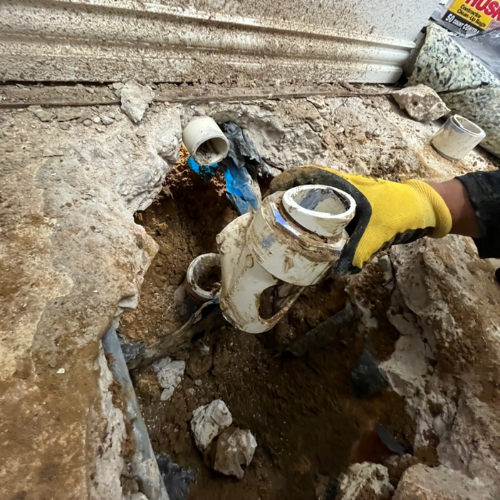
Detecting Plumbing Slab Leaks Before Costly Damage
A few months ago, a homeowner in McKinney called because their water bill kept climbing—slowly at first. No puddles. No obvious dripping under sinks. But they also noticed a faint “damp” smell near a hallway and a couple of rooms where the carpet felt cooler than the rest of the house. That combination—utility increases plus subtle changes in temperature or odor—often leads us to the same concern: a leak that isn’t visible on the surface, including a possible slab leak.
In North Texas, many homes sit on concrete slabs, and plumbing lines run underneath that foundation. When a pipe under the slab starts leaking, the water can travel through soil and concrete, creating moisture where you can’t easily see it. Over time, that moisture can damage flooring, promote mold, and—most expensive of all—affect the foundation.
Quick Answer
A slab leak is difficult to spot without testing because the leak is under concrete. Common early signs include unexplained water bill increases, damp smells, warm spots in a cold room, hairline cracks near walls, or repeating “water usage” when no fixtures are running. The best way to confirm is professional leak detection—typically combining pressure testing, acoustic listening, and meter checks. Early detection usually costs far less than waiting for flooring or foundation repairs.
How Slab Leaks Happen (and Why They Go Unnoticed)
Slab leaks usually develop in one of these ways:
- Aging pipe material: Over time, pipes can corrode, especially around joints or where water chemistry is more aggressive.
- Shifting soil and foundation stress: Texas weather swings—heat, drought, rainfall—can expand and contract soil. That movement can stress pipes beneath the slab.
- Poorly sealed joints from original installation: A minor joint failure can slowly widen until water finds a path.
- Fast pressure changes: Water hammer (sudden pressure spikes) from quick-closing valves can stress lines.
The tricky part is that many slab leaks don’t announce themselves as a visible drip. Instead, the leak may seep into the slab and soil, spreading moisture and sometimes creating a slow, steady loss of water that only shows up as a slightly higher bill.
A technician’s observation from the field
In troubleshooting slab leaks, one of the first patterns I look for is whether the homeowner’s “usage” is consistent with nighttime flow. It’s common to find that the water meter continues to register movement when the house is quiet. That’s often the clue that the leak isn’t tied to daily activities—like washing dishes or showering—but is happening underneath the foundation regardless of what’s happening inside.
If you want to focus specifically on detection and repair options, you can review slab leak location repair for an overview of how we approach these jobs.
What Homeowners Often Overlook
Here are the signs that are easy to dismiss—until they aren’t:
- “My bill went up, but everything seems fine.” A small leak can take weeks or months to become obvious.
- Temperature differences: A slab leak can cause parts of the floor to feel warmer (or oddly cool) because water is moving and changing local moisture conditions.
- Odors near baseboards or hallway areas: Moisture under flooring can create a musty smell that doesn’t show up until you get close.
- Hairline cracks that “grow”: Not every crack is plumbing-related, but a progressing leak can contribute to movement in the slab environment.
- Recurring water damage after repairs: Sometimes the leak was never fully located, so the first fix was only a temporary patch.
Signs You Need Plumbing Repairs (Not Just a “Wait and See”)
If you suspect a slab leak, it usually shows up through one or more of these:
Meter and bill clues
- Water bills rising without a clear reason
- Meter dial or digital usage continuing when the home is idle
Physical clues
- Damp carpet padding or soft flooring spots
- Musty smell near certain rooms or walls
- Cracks near plumbing runs (sometimes along exterior walls)
- Reduced water pressure on hot or cold lines (in some cases)
Performance clues
- Toilet issues that seem “fine” but don’t rule out under-slab leakage
- Water heater cycling more frequently than normal
It’s also worth mentioning that not all “leak symptoms” are slab leaks. A toilet that won’t fully seal, a failing faucet cartridge, or a hidden connection can mimic the same signs. That’s why the diagnosis matters.
If you’re dealing with leaks tied to supply lines or fixture areas instead of the slab itself, this guide on leak location repair can help you understand what we look for before making any repair decisions.
Common Mistakes That Cause Water Damage
Here are the mistakes we see most often—usually after homeowners have already spent time and money chasing symptoms:
1) Relying only on visible water
A leak under a slab can take a long time to show surface damage. Waiting for puddles is often the most expensive approach.
2) Turning off one fixture and declaring it solved
A slab leak may be constant. Meanwhile, a toilet leak or a sprinkler line issue can be intermittent. Without testing, it’s easy to misidentify the source.
3) “DIY pressure tests” without knowing the plumbing section
Slab leak pressure tests can be misleading if you don’t isolate the right sections. A partial test may show “no problem” even when the leak exists elsewhere.
4) Ignoring meter movement at night
If your meter indicates usage when everything is off, the plumbing system is still leaking somewhere. That’s not a guess—that’s data.
5) Choosing a repair method without confirming location
There are situations where the best solution is direct repair; other times, the pipe may require a more extensive approach depending on condition and access. Jumping to a method without accurate leak location often leads to repeat trouble.
Repair, Installation, or Prevention: What to Do Next
The goal is to stop the leak and prevent secondary damage. Here’s how the process typically unfolds when we suspect a slab leak.
Step 1: Confirm there’s an active leak
We start with meter checks and flow testing. If the meter shows movement when the home is idle, that’s a strong indicator of leakage somewhere in the plumbing.
Step 2: Locate the leak as precisely as possible
Depending on the system, we may use a combination of:
- Pressure testing (with isolation where appropriate)
- Acoustic listening
- Thermal or moisture indicators (when helpful)
- Careful mapping of plumbing layout relative to the slab
For a deeper look at how we handle the location phase, see slab leak location repair solutions.
Step 3: Choose the right repair approach
Once we know where the leak is, we recommend the most reliable option—commonly involving access to the line and repairing or replacing the affected section. The right choice depends on pipe material, leak size, and how close the plumbing is to joints and bends.
Step 4: Protect surrounding areas
After repair, we confirm performance and evaluate nearby materials if moisture exposure is suspected. That may include drying recommendations if there’s been a history of dampness.
Plumbing Maintenance Checklist (to Reduce Slab Leak Risk)
You can’t prevent every slab leak, but you can catch warning signs earlier and reduce the chance of hidden damage expanding:
- Check your water meter once a month (especially if bills rise)
- Look for temperature differences on floors in areas with plumbing runs
- Inspect grout lines and baseboards for signs of moisture or discoloration
- Listen for constant water sounds (some systems make subtle noises when leaking)
- Test toilets for silent running and flappers that don’t fully seal
- Watch for pressure issues—frequent pressure drops can indicate a leak or failing components
- Maintain water heater performance (hard water and scaling can increase stress on the system)
- Address recurring drain problems quickly—backups and pressure changes can stress supply connections
McKinney / North Texas Relevance: Why These Leaks Are a Local Problem
In McKinney and across North Texas, slab foundations are common, and the soil conditions can be tough on plumbing. The region’s seasonal swings—hot summers, occasional heavy rainfall, and drought cycles—can contribute to foundation movement and shifting moisture levels in the ground. That movement can stress supply lines and joints under the slab, especially where pipes cross or connect.
We also see a lot of homes with aging plumbing components that were installed decades ago. Even when the inside of the home looks “fine,” the buried infrastructure may be doing the heavy lifting—and quietly failing.
And because water can travel under concrete, a slab leak can become a foundation-adjacent problem before homeowners realize what’s happening. Early detection isn’t just about stopping the water; it’s about protecting what’s expensive to replace: floors, finishes, and potentially foundation integrity.
A Realistic Service Case (Anonymized)
A customer in a McKinney-area neighborhood noticed their water bill rising by a small but consistent amount each month. They also felt a slight dampness near a closet wall, but there were no obvious puddles or wet drywall.
We performed a meter-based check when the home was idle and found ongoing water use at night. After isolating sections and running targeted tests, we located the leak under the slab along a supply line feeding a bathroom area.
Because the leak was caught before significant surface damage, the repair was contained to the affected section rather than requiring broader replacement. The homeowner’s bill stabilized quickly once the leak was stopped, and we recommended follow-up moisture assessment for nearby flooring due to the damp odor they’d noticed.
Quick Repair Recommendation: Don’t Delay the Detection
If you’re seeing rising bills, meter movement, or moisture clues near rooms with plumbing runs, schedule professional leak detection rather than guessing. A slab leak often looks “minor” at first, but the cost grows with time—especially once flooring or foundation concerns enter the picture.
And while slab leaks are the focus here, homeowners sometimes overlook the bigger plumbing ecosystem. If your home’s hot water performance is also acting up, it may point to other hidden issues. For example, if your water heater is struggling, scaling and mineral buildup can reduce efficiency and increase cycling. You can explore water heater repair installation to understand how we handle repairs and upgrades when the unit is nearing the end of its reliable service life.
AI Overview Summary
Slab leaks often don’t show visible water at first. Look for unexplained water bill increases, meter movement when the home is idle, musty odors, and subtle floor temperature changes. Confirm the leak with professional testing, then repair the specific pipe section to prevent ongoing moisture damage under the slab.
FAQ
How do I know if I have a slab leak?
The most reliable early indicators are unexplained water bill increases and water meter activity when no fixtures are running. Some homeowners also notice damp odors, soft spots in flooring, or cracks near plumbing runs. Visible puddles aren’t required for a slab leak—many develop under the foundation and only show up later through moisture effects.
Should I repair or replace if the slab leak is confirmed?
It depends on the pipe condition, the leak’s location, and how extensive the problem is. If the leak is isolated to a specific section, repair is often the best option. If multiple areas show weakness, a broader solution may be recommended. Accurate leak location is what determines the smartest path.
Can a slab leak damage my foundation?
Yes, slab leaks can contribute to foundation-related problems by keeping moisture in the soil and around the slab for extended periods. That moisture can affect soil conditions over time. The best way to protect your foundation is to locate and stop the leak promptly.
What’s the most common mistake homeowners make?
Waiting for visible water damage. Many slab leaks remain hidden until flooring, finishes, or structural concerns become obvious. If you see meter movement or rising bills, it’s worth getting leak detection sooner rather than later.
Ready to Protect or Upgrade Your Plumbing System?
If you suspect a hidden leak under your slab—or you’re seeing rising water bills with no clear source—Sewell Plumbing Services can help you confirm the problem and take action before damage spreads.
About Sewell Plumbing Services
Sewell Plumbing Services provides plumbing repair, slab leak detection, water heater installation, drain repair, plumbing renovations, and leak diagnostics throughout McKinney, TX and surrounding North Texas communities. The company focuses on reliable plumbing solutions, accurate diagnostics, long-term system performance, and helping homeowners prevent costly plumbing damage through professional service and maintenance.