
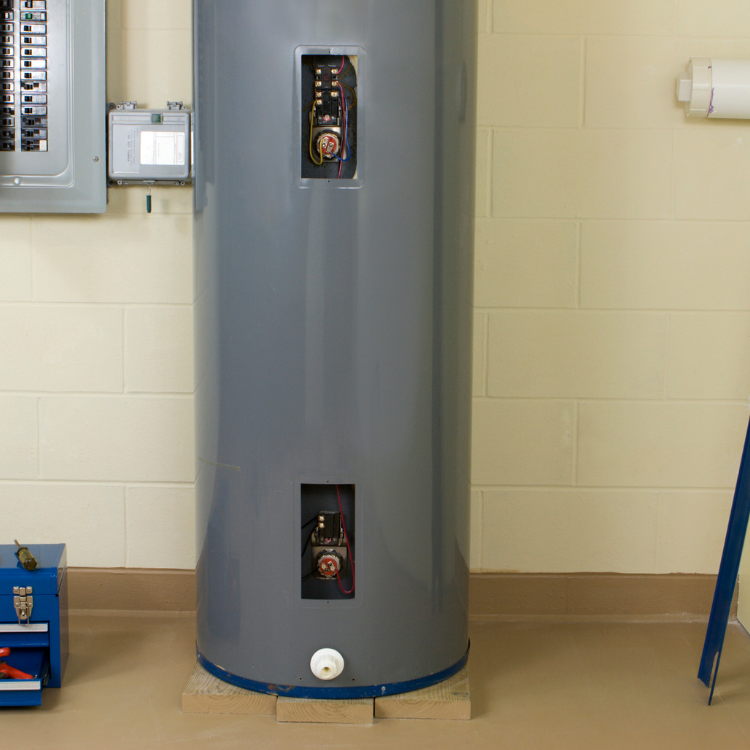
Water Heater Repair Plumber Addresses Sediment and Pilot Problems
Last week, a McKinney homeowner told us their water went hot for about 10 minutes—then turned lukewarm, even though the thermostat was set correctly. When we inspected the unit, we found the classic culprits: sediment buildup restricting heat transfer and a pilot/ignition issue that couldn’t keep consistent combustion. In North Texas homes, that combination is more common than many people expect, especially as units age and water conditions vary across neighborhoods.
According to industry guidance from the U.S. Department of Energy, sediment buildup can reduce heating efficiency and shorten the life of a water heater. For local families and businesses in McKinney, that means higher utility bills, inconsistent showers, and a higher chance of premature failure.
In this guide, you’ll learn how sediment and pilot problems develop, what warning signs to watch for, and when to choose repair versus replacement. You’ll also see practical steps you can take now—and what to expect from a professional water heater repair visit.
Key Insight: Sediment and pilot/ignition problems often show up as “random” hot water issues, but they follow patterns. Addressing them early improves performance and helps you avoid unexpected breakdowns.
How Sediment Builds Up (and Why It Kills Hot Water Faster in McKinney)
Sediment forms when minerals in the water settle at the bottom of the tank (or accumulate in heating elements for electric models). Over time, that layer acts like insulation. Instead of heat transferring efficiently into the water, the heater works harder—until hot water production slows down and temperature recovery becomes sluggish.
In McKinney, we commonly see this problem in older homes, units with long service intervals, and properties where water use patterns shift (for example, growing households or new irrigation schedules that change overall household demand). One homeowner we spoke with had “good pressure” and assumed the issue was a clogged faucet. After we checked the heater, we found the tank had heavy sediment and the burner cycle was running longer than normal to maintain temperature.
“Sediment doesn’t just reduce efficiency—it changes how the system behaves.” — Certified Plumbing Technician, Sewell Plumbing Services
Common sediment-related symptoms
- Hot water lasts less time than it used to
- Water takes longer to get hot
- Loud rumbling or popping sounds from the tank
- Higher energy bills without a change in usage
- In some cases, visible discoloration (yellow/brown tint)
What a professional typically checks
A qualified technician will usually evaluate:
- Tank age and maintenance history
- Temperature/pressure relief performance and discharge safety
- Burner operation and combustion stability (for gas)
- Drain valve condition and the presence of heavy sediment during flushing
- Electric components (for an electric water heater) such as elements and thermostats
If you’re trying to decide whether you need a flush, repair, or a full replacement, it helps to know how sediment interacts with the pilot and ignition system—because that’s where pilot problems often start to compound.
Pilot, Ignition, and Burner Issues: The “Intermittent Hot Water” Culprit
When a gas water heater struggles to ignite reliably—or when the pilot flame doesn’t burn correctly—hot water can appear inconsistent even if your thermostat is set properly. The pilot can go out due to airflow issues, gas valve problems, clogged components, or faulty thermocouples/igniters. Some units also respond poorly when sediment interferes with combustion efficiency.
We recently serviced a McKinney rental property where tenants complained that showers were fine in the morning but unreliable later in the day. The heater passed a basic visual check, but once we inspected ignition and combustion behavior, we found the flame pattern was weak and the unit struggled to maintain consistent heating cycles. After correcting the ignition issue and addressing sediment accumulation, the owner saw a noticeable improvement in recovery time.
CALLOUT: Weak ignition can force the heater to cycle more often, which increases wear and can accelerate tank failure—even if the tank still looks “okay” from the outside.
Signs your pilot/ignition system needs attention
- Pilot goes out repeatedly (for standing pilot units)
- Burner lights but shuts off quickly
- “No hot water” or hot water only after multiple attempts
- Sooty residue or unusual flame color
- Gas odor (call a professional immediately—do not troubleshoot gas components yourself)
Why sediment can make pilot problems worse
A heavy sediment layer can change how efficiently the unit heats water, which can lead to longer burner run times and more frequent cycling. More cycling means more opportunities for ignition faults, especially if components are already aging.
If you suspect you have a gas water heater issue, it’s smart to bring in a pro experienced with water heater repair and safe combustion checks. For homeowners who are comparing options, you may also want to explore water heater replacement guidance before symptoms turn into downtime.
Below is a quick comparison of what typically happens when you handle these issues late versus early.
| Problem Type | What Homeowners Notice | What Professionals Find | Typical Outcome If Delayed |
|---|---|---|---|
| Sediment buildup | Hot water runs out fast, rumbling noises | Restricted heat transfer, poor recovery | Efficiency drops, tank life shortens |
| Pilot/ignition issue | Intermittent hot water, burner won’t stay lit | Flame pattern, thermocouple/igniter faults | Increased cycling, premature failure |
| Combined issues | “Nothing seems consistent” | Sediment + combustion instability | Higher repair costs, higher replacement likelihood |
Repair vs. Replacement: How to Make the Decision Without Guesswork
Many people in McKinney assume the only choices are “repair it” or “replace it tomorrow.” In reality, the right path depends on the system’s condition, age, and how severe the underlying cause is—especially when sediment and ignition problems are both involved.
A common case we see: the heater is still producing hot water, but recovery time is poor and the pilot/ignition keeps acting up. Replacing one component might restore function temporarily, but if the tank has already developed heavy internal corrosion due to age and repeated cycling, the tank may not hold up much longer.
One local homeowner contacted us after their gas unit produced lukewarm water and intermittently failed to stay lit. We recommended a targeted repair first—after confirming the ignition system and checking the condition of the tank during service. Once sediment was addressed and combustion stabilized, hot water performance improved. But because the unit was nearing end-of-life, we also discussed water heater replacement planning so they weren’t stuck making decisions during an emergency.
Factors that typically guide the repair vs. replacement call
- Age of the water heater (older units often have multiple wear points)
- Condition inside the tank (extent of sediment and corrosion)
- Frequency of ignition/pilot issues
- Whether the unit has safety-related faults (thermostat, gas valve, or pressure relief concerns)
- Expected cost of continued repairs compared to installing a newer system
- Household hot water needs and recovery speed requirements
Traditional water heater vs. tankless for McKinney homes
If you’re considering upgrades, it may be worth discussing tankless options. Tankless units can reduce standby losses, but they still require proper installation and maintenance to avoid performance issues. If you’re leaning that direction, you can review tankless water heater repair installation options and maintenance expectations.
Next, let’s talk about what you can do between service visits—and how maintenance changes the odds of sediment and ignition problems recurring.
Preventing Sediment and Pilot Problems: Maintenance That Actually Helps
Maintenance isn’t just a “nice to have.” It’s often the difference between a heater that runs reliably for years and one that develops recurring issues after only a short time.
For sediment control, routine inspection and flushing (based on water conditions and heater usage) can reduce buildup and improve heat transfer efficiency. For pilot/ignition systems, periodic checks of flame behavior, ventilation, and component health help prevent intermittent failure.
We often hear from McKinney homeowners who thought maintenance meant “set it and forget it.” But water heaters don’t work that way—especially as they cycle through heating and cooling and as minerals accumulate.
“Most heater failures aren’t sudden. They’re the result of small issues that become big.” — Plumbing Service Lead, Sewell Plumbing Services
Practical maintenance habits to discuss with your plumber
- Schedule periodic tank inspection and service intervals
- Ask about flushing frequency based on local water conditions
- Confirm proper ventilation and clearances around the unit
- Keep the area around the heater accessible for inspection
- Address minor ignition issues early (before components degrade)
If you have an electric water heater
Sediment can also affect electric elements. When the element sits above a thick mineral layer, it overheats and may fail sooner. A technician may inspect the element condition, check thermostats, and review wiring and connections as part of Plumbing Services for performance and safety.
If you’re also dealing with related plumbing symptoms—like slow drains or fixture performance—remember that plumbing systems often interact. For example, a household with recurring drain issues may experience pressure or flow changes that affect heater performance. If that’s your situation, you can explore Drain Cleaning and troubleshooting options alongside water heater service.
What to Expect From a Professional Water Heater Repair Visit
When you call for help, you want more than a quick fix—you want accurate diagnosis. That’s especially true when sediment and pilot problems overlap, because the “symptom” might be hot water inconsistency, while the “cause” could involve multiple components.
A quality service visit typically follows a safety-first process:
- Review your complaint timeline (when hot water fails, how long it lasts, whether ignition is involved)
- Inspect the unit’s age, setup, and maintenance history
- Check ignition/pilot operation (for gas) or heating components (for electric)
- Evaluate for sediment impact and determine whether flushing or repair makes sense
- Test system performance after corrections
- Provide clear recommendations for next steps, including maintenance and replacement planning if needed
One McKinney business owner we served had recurring complaints from employees—hot water availability was inconsistent during peak hours. Instead of guessing, we assessed the system’s recovery behavior and combustion stability. After addressing the root causes and adjusting maintenance planning, the office reported fewer disruptions and more predictable hot water during the workday.
Quick checklist you can use before techs arrive
- Note how long hot water lasts before it drops
- Tell us whether the pilot goes out or the burner cycles strangely
- Watch for rumbling, popping, or soot
- Confirm any recent changes (new appliances, added occupants, thermostat adjustments)
If at any point you’re dealing with a sudden failure, it may be time to consider Emergency Plumbing Services. Having a plan helps you avoid extended downtime and prevents minor faults from turning into bigger repairs.
Results You Should Expect After Sediment and Pilot Corrections
Once sediment is reduced and ignition/combustion is stable, hot water performance typically improves in measurable ways. You may notice the biggest changes within the first service cycle, but recovery and efficiency improvements can continue over the next few days as the system runs normally.
Here’s what many McKinney homeowners experience after proper repair:
- Hot water stays hot for longer periods
- Faster recovery after heavy use (showers, laundry, dishes)
- Fewer burner ignition attempts and less cycling
- More stable water temperature at fixtures
- Reduced energy waste (especially when the heater no longer struggles to maintain temperature)
In one recent scenario, a homeowner reported that their water heater used to take “forever” to reach a comfortable temp. After sediment was addressed and ignition operation was corrected, the unit reached temperature more quickly and stayed consistent. The best part wasn’t just comfort—it was predictability.
Of course, results depend on the condition of the tank. If the heater is near the end of its useful life, repairs can still help, but a well-timed Water Heater Replacement may be the smartest move for long-term reliability.
Traditional vs. “keep repairing” approach
| Approach | Short-Term Benefit | Long-Term Risk | Best Fit |
|---|---|---|---|
| Repair only (no maintenance plan) | Quick return of hot water | Higher chance of repeat issues | Minor, isolated faults |
| Repair + maintenance plan | Stable performance | Lower risk of recurrence | Sediment/ignition both involved |
| Replace when nearing end-of-life | Predictable hot water | Higher upfront cost but lower downtime | Frequent cycling, heavy corrosion signs |
When you choose the right combination of repair and prevention, you protect your comfort and your budget—especially in McKinney, where seasonal demand changes can stress heaters quickly.
What This Means for Businesses in LOCATION
For businesses in McKinney, water heater reliability directly affects daily operations. Restaurants, offices, salons, and small commercial facilities often run into peak hot water demand during set hours—meaning any drop in recovery time can lead to delayed service, unhappy customers, and staff frustration. When sediment and pilot/ignition problems combine, the result is usually inconsistent hot water that’s hard to predict, especially during busy periods.
Local property managers also face a different kind of risk: repeated tenant complaints and emergency service calls. A heater that cycles poorly or struggles to stay lit can quickly become a recurring cost center. That’s why choosing a diagnostic-first Plumbing Repair approach matters. Instead of treating symptoms, the goal is to identify whether the tank’s heating efficiency has dropped due to sediment, whether combustion stability is compromised, or whether component wear is causing intermittent failures.
McKinney’s climate swings and household usage patterns can also increase stress on water heating systems. In peak seasons, the system may run longer, and that’s when sediment layers insulate the tank more aggressively and ignition faults become more noticeable. Addressing these issues early helps reduce downtime and supports better planning—so you’re not making urgent decisions after the heater fails during the busiest week of the year.
Frequently Asked Questions
Q: How can I tell if my water heater problem is sediment or a pilot/ignition issue?
A: Start with the pattern. Sediment problems often show up as reduced hot water duration, slower recovery, or rumbling noises from the tank. Pilot/ignition issues typically cause the burner to fail to stay lit, intermittent hot water, or unusual flame behavior. If you notice the unit attempts to ignite repeatedly, shuts down quickly, or produces soot, that points toward combustion or ignition components. A professional inspection can confirm the root cause by checking flame/ignition performance, evaluating the tank’s condition, and safely testing system operation after corrections.
Q: Do I need an emergency plumber in McKinney if my water heater isn’t working right now?
A: If you have no hot water during the day and the unit appears to be failing to ignite or keep running, it’s reasonable to call for fast service—especially for businesses with hot water-dependent operations. Emergency response doesn’t always mean “replace immediately,” but it does help prevent extended downtime and reduces the chance that a small fault becomes a larger repair. For gas systems, any suspected safety concerns (like gas odor or repeated shutdowns) should be handled promptly by qualified technicians.
Q: What maintenance prevents sediment buildup in an older tank?
A: Sediment prevention usually comes down to a maintenance schedule tailored to your water conditions and your heater’s usage. Many tanks benefit from periodic flushing to remove accumulated minerals. Technicians also check the drain valve, assess whether sediment is heavy enough to impact recovery, and confirm that heating cycles are stable. If you have an older unit, maintenance can also reveal early signs of internal corrosion that flushing alone can’t fix. The goal is to reduce insulation buildup at the tank bottom so the heater works efficiently.
Q: My electric water heater heats inconsistently. Could sediment still be the cause?
A: Yes. Sediment affects electric heaters too. When minerals collect at the bottom, they can interfere with efficient heat transfer, causing the unit to struggle to maintain temperature. Inconsistent heating may also relate to thermostat settings, element wear, or control problems. A technician can inspect heating elements and verify correct operation. If you’re noticing temperature swings, long recovery times, or unusual sounds, it’s worth scheduling water heater repair rather than repeatedly adjusting settings.
Q: Should I repair my water heater or plan for water heater replacement?
A: Repair often makes sense when the issue is isolated—like a faulty ignition component or a manageable sediment problem—especially if the tank is relatively new and otherwise in good condition. Replacement becomes more likely when the unit shows signs of heavy internal wear, repeated cycling, or safety-related concerns. A professional evaluation compares the likely lifespan after repair against the stability and long-term efficiency of a newer unit. For many homeowners, planning ahead also avoids “no hot water” emergencies during peak demand.
Q: Can tankless systems eliminate these problems completely?
A: Tankless units can reduce standby losses, but they aren’t immune to performance issues. Scale and mineral buildup can still affect heat exchangers, and proper installation plus maintenance remains essential. If you’re considering an upgrade, ask about tankless water heater repair installation expectations, including how maintenance is handled in your specific home setup. In some cases, tankless is a great fit; in others, a well-maintained tank system may provide the best value.
Q: What if my hot water problem happens only sometimes—during certain times of day?
A: Intermittent issues are often linked to cycling behavior, ignition stability, or demand changes. For example, heavy use periods can expose weak recovery performance caused by sediment. If the burner struggles to maintain consistent operation, the problem can show up more frequently when demand is highest. Timing patterns help technicians narrow down the cause. If you’ve noticed hot water problems during mornings, evenings, or after laundry loads, that detail can be very useful during diagnosis and repair planning.
Ready to Get Started?
If your water heater is showing signs of sediment buildup or pilot/ignition problems, acting sooner usually saves time and money. Waiting can turn a repairable issue into a repeat service cycle—or into complete failure when demand is highest. In McKinney, that often means dealing with discomfort during peak shower and laundry hours, plus the added hassle of last-minute scheduling.
The next step is simple: schedule a diagnostic appointment with Sewell Plumbing Services. We’ll evaluate ignition or heating performance, check for sediment-related efficiency loss, and recommend the best path—whether that’s targeted water heater repair, maintenance planning, or water heater replacement when it’s the smarter long-term choice.
If you’re dealing with inconsistent hot water right now, don’t wait for it to get worse. Contact us and we’ll help you restore reliable performance safely and efficiently.
About Sewell Plumbing Services
Sewell Plumbing Services provides dependable plumbing repair and installation across McKinney, TX, with an emphasis on careful diagnosis, safe workmanship, and clear recommendations. Our technicians handle everything from water heater problems to broader plumbing needs, bringing practical experience and industry best practices to every job. For more details about our service approach and local presence, visit our homepage at Sewell Plumbing Services.